The Smart Way to Choose Bags for Work, Travel, and Everyday Carry
Start with the way you move. A good bag is not just an accessory; it is a daily tool. It carries your laptop, documents, keys, charger, water bottle, and the small essentials that keep your day moving. The challenge is finding a bag that looks polished, feels comfortable, and works for more than one situation. Instead of buying five average bags, build a focused rotation with a few strong options that match your routine.
Choose by Carry Style, Not Just Looks
Before you compare colors or materials, think about how you want to carry your things. Do you need quick access while commuting? Do you prefer a clean, professional look for meetings? Are you often moving between the office, a café, and an evening plan? Your answer will point you toward the right shape.
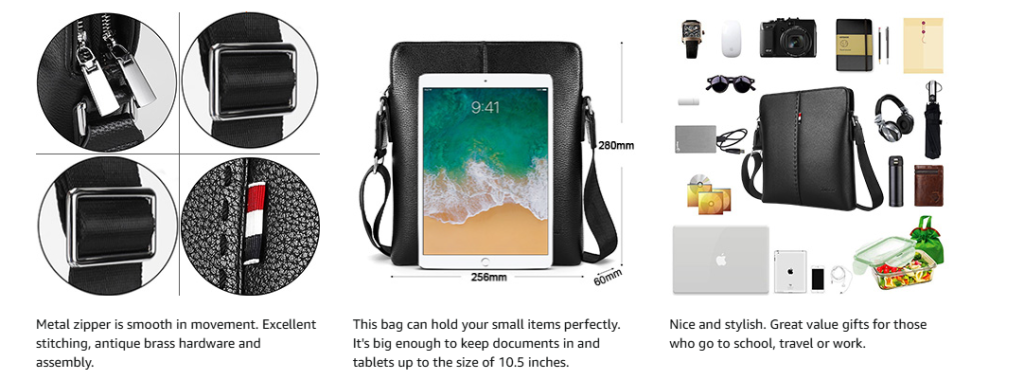
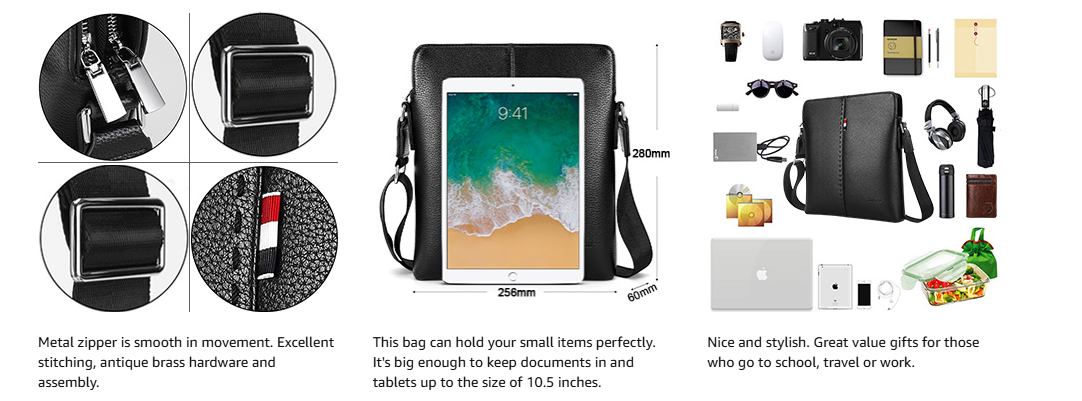
A well-designed Mens shoulder bag is a strong choice when you want a balance of structure and easy access. It sits close to the body, keeps essential items within reach, and often offers enough room for a tablet, notebook, and daily accessories. Look for adjustable straps, secure closures, and a lining that is easy to clean.
When hands-free matters most
For crowded trains, busy streets, and travel days, a Mens crossbody bag can be remarkably practical. The strap distributes weight across the body, and the bag stays stable when you are walking quickly or managing a suitcase. A crossbody style also keeps your valuables in front of you, which adds peace of mind in busy areas.
Practical tip: A bag should feel comfortable before it is full. If the strap digs in or the shape collapses when empty, it will only feel worse once you add your laptop and daily gear.
Material and Structure: What to Check Before You Buy
Style catches the eye, but structure earns loyalty. A bag that sags, scratches easily, or has weak zippers will soon become frustrating. Check the stitching, the strength of the hardware, and the quality of the interior pockets. A thoughtful interior can make a simple bag feel far more expensive than it is.
- Strap comfort: Look for padding or wide straps if you carry heavier items.
- Closure security: Zippers, flaps, and magnetic snaps should feel solid, not loose.
- Interior organization: Separate pockets for a phone, wallet, and keys reduce daily friction.
- Shape retention: A bag should hold its form whether it is half empty or fully packed.
Leather that ages well
Leather remains popular because it can look better over time when properly cared for. A Leather tote bag offers generous space and a clean silhouette for workdays, short trips, or days when you need to carry more than usual. Choose full-grain or top-grain leather when possible, and check that the base is reinforced. A structured tote can handle a laptop, folder, and pouch without turning into a shapeless sack.
Do not overlook weight. Leather is durable, but it can be heavy before you even add your belongings. If you walk long distances, compare the empty weight of each bag and consider whether a lighter material might suit your commute better.
Build a Small, Flexible Rotation
Most people do not need a different bag for every hour of the day. A smarter approach is to choose three dependable styles: one for quick errands, one for commuting, and one for days that require extra capacity. This small rotation keeps your wardrobe flexible without creating clutter.
A simple weekday formula
- Monday to Thursday: Use a structured bag that protects your laptop and keeps documents flat.
- Travel or long commutes: Choose a hands-free option with secure pockets and a comfortable strap.
- Weekend and flexible days: Carry a roomier bag that can hold a light jacket, water bottle, or small purchase.
Final check: empty the bag at the end of the week, wipe the lining, and check the straps for wear. Small maintenance habits help a good bag last for years. The right choice is not the one with the most features; it is the one you can carry comfortably, open easily, and trust with the things that matter every day.